How Much Does Stump Grinding Help Before New Landscaping?
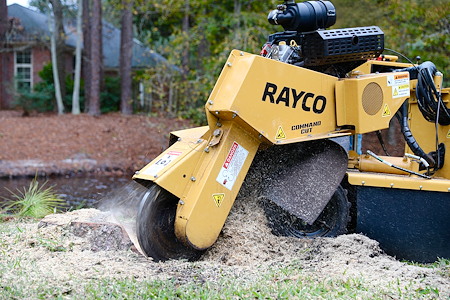
You are ready to refresh your yard with new sod, a garden bed, or a small patio. Before any of that happens, it pays to clear what is left behind after a tree comes down. Professional stump grinding gives you a clean, level starting point, and it helps your new landscape last. If you want a tidy, safe area that is set up for success, see how our stump grinding and removal service fits into your plan in Jacksonville.
Why Stump Grinding Matters Before New Sod Or Planting
Leftover stumps and surface roots seem harmless at first. In our humid, sandy soils, they keep breaking down for months or even years. That slow decay can cause soft spots, sinkage, and fungus that fights your new lawn or plants for space and nutrients. Grinding the stump below grade removes those obstacles and makes room for healthy roots to spread.
- It reduces trip hazards and mower damage so lawn care stays simple.
- It helps deter insects that love decaying wood, like termites and ants.
- It prevents raised patches that show through new sod and make grading uneven.
In neighborhoods like Mandarin, San Marco, and the Beaches, summer storms soak the ground. Stumps hold water and create wet pockets. Clearing them out helps your new sod knit together faster and drain as it should.
Grinding Versus Full Stump Removal
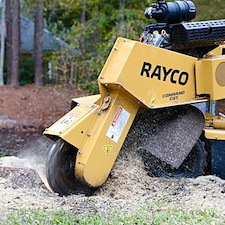
For most yards in Jacksonville, stump grinding is the right choice. A grinder turns the stump into mulch and takes it below grade so you can re-sod or plant. Full stump removal is only needed when a design or structure requires more root excavation in a tight area. Your goal drives the method: smooth, level lawn areas usually need standard grinding; a spot for a footer, fence post, or tree replanting may call for deeper grinding in that single zone.
Tip: If you plan to replant a tree near the same spot, ask for deeper grinding and targeted root chasing in that planting circle. That gives your new tree loose, clean soil to establish well.
The Jacksonville Factor: Soil, Weather, And Neighborhood Conditions
Jacksonville’s coastal climate brings heat, sudden downpours, and long growing seasons. Sandy soils around Riverside and Avondale can settle more after heavy rain. In Southside and Baymeadows, irrigation runs often, which speeds decay and creates low spots if an old stump is left in place. Along Jacksonville Beach and Neptune Beach, shifting sand and salt spray can expose roots over time. Grinding ahead of new work evens those variables so your landscape does not fight the past.
Set Your Sequence For Smooth Results
Good sequencing saves time and protects your investment in new materials. Here is a simple order many homeowners follow:
- Tree removal first, then stump grinding and root chasing in areas that will be replanted or sodded.
- Rough grading to level low spots after grinding mulch is hauled away or redistributed.
- Topsoil addition where needed, followed by sod or planting.
Do not cover a fresh stump with sod and hope it disappears. The wood will settle as it decays and the sod will dip. Grinding first avoids that headache.
How Deep Should The Stump Be Ground?
Depth depends on your next step. For most lawns, technicians grind six to twelve inches below grade and chase the biggest surface roots that interfere with mowing. If you are replanting a small tree or installing edging, your crew can grind deeper in that target zone and remove extra chips so fresh soil fills the space. Depth varies by species, root flare, and access, but the goal is the same: create stable, root-free soil where your project needs it.
New Sod: What Changes When A Stump Was There?
New sod roots need firm, even ground. Stump grindings are light and fluffy. If you leave too much mulch in the cavity, it can hold moisture and settle. A cleaner backfill with topsoil is often the better path for a flatter finish. Your crew will match the backfill to your plan, so the grade blends with surrounding turf.
In hot months, sod dries quickly. A smooth, stump-free base helps water reach roots evenly, so you are not babysitting hot spots. That is one more reason grinding ahead of install pays off.
Replanting A Tree: Give New Roots A Fair Start
Planting a new tree close to the old stump? Ask for targeted grinding in the planting circle and removal of a portion of the wood chips. That reduces competition and gives the root ball clean soil. If your goal is shade, you might pair grinding with professional tree planting and replacement so species, spacing, and soil prep all line up with your site and lifestyle.
Warning: Do not assume old roots will “feed” the new tree. Decaying roots compete for oxygen and space. Your new planting will do better with room to grow.
How Stump Grinding Supports Hardscape Plans
Patios, walkways, fencing, and play areas need stable ground. Grinding stops old roots from pushing up pavers or cracking thin slabs later. It also makes trenching for edging simpler because your crew is not fighting old wood just under the surface. A clean grind in the footprint plus smart grading gives your installer a strong base to build on.
Local insight: Summer downpours can turn soft lawns into ruts. Schedule stump work before heavy rain patterns if you can, or ask your crew to use ground protection mats. Your turf and irrigation heads will thank you.
What About Pests And Fungus?
Decaying stumps attract insects and can host fungal growth. While no method eliminates every risk, removing the stump and major surface roots takes away the easiest food source so your new sod or plants are not competing with mushrooms or ant mounds. In our warm Jacksonville climate, that is a practical win.
Access, Safety, And Cleanliness
Good stump work is about more than the machine. Crews plan access through gates, protect turf, and work around irrigation and lighting. They identify utilities and handle chips based on your project. The cleanup is where you see the difference: raked, leveled, and ready for the next trade. That attention to detail keeps your landscaping schedule moving.
How Stump Grinding Fits With Tree Services You May Already Need
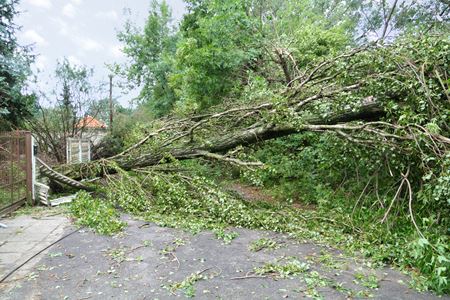
If a tree just came down, pairing stump grinding with tree trimming and pruning on surrounding trees can improve light and airflow for the new lawn. When a tree is failing or sits in a future patio footprint, safe tree removal followed by grinding clears the way for a lasting upgrade. Planning these steps together avoids multiple mobilizations and helps your yard bounce back faster.
Answers To Common Homeowner Concerns
Will the area sink later? Some settling is normal as grindings break down. That is why many homeowners choose to haul away chips in key areas and backfill with topsoil for a firm, level surface.
Can I plant in the same spot? Yes, with targeted deeper grinding and partial chip removal. Clean soil contact around the root ball is the key.
What about roots under the lawn? Major surface roots that affect mowing are often chased back several feet. Subsurface roots outside the work zone usually decay naturally over time.
Real-World Scenarios Around Jacksonville
Riverside and Avondale homes often have older oaks that left wide root flares. Grinding the stump and chasing surface roots smooths the lawn so new sod does not telegraph old ridges. In Arlington and the Northside, sandy, low-lying spots can hold water around an old stump. Clearing the wood and adding clean soil helps drainage so grass fills in evenly. Along Jacksonville Beach and Neptune Beach, wind and salt stress make lawns work harder. A fully ground, level base gives your turf the best chance to thrive.
When To Schedule Your Stump Work
Stump grinding fits any month in Jacksonville, but timing it before sod delivery or bed installation prevents delays. Spring and fall feel comfortable, yet crews operate year-round. If storms are in the forecast, get on the calendar so wet ground does not slow your plan. Whether you are removing a stump after tree removal or prepping for sod, a short professional visit makes a big difference.
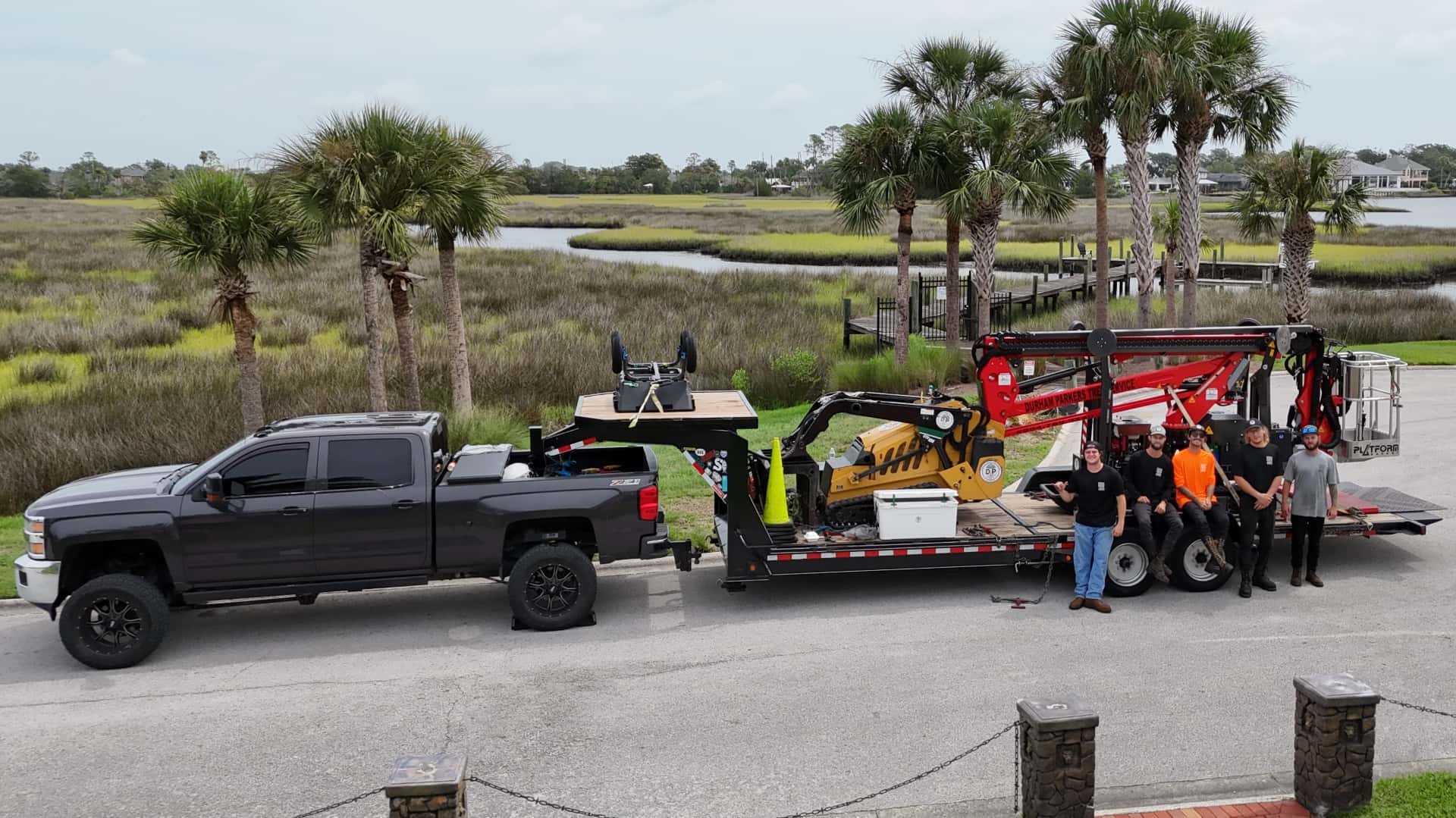
How Durham Parkers Tree Service LLC Makes It Easy
As a local tree trimming team that handles full-service care, Durham Parkers Tree Service LLC approaches each yard with a clear plan and careful protection for your property. We match the grind depth to your next step, control chips and dust, and leave the area level so your installer or lawn team can get right to work. If you want a clean, fast path to new sod or a fresh planting bed, see how our stump grinding and removal sets up your project.
Ready To Start Your Jacksonville Project?
Set your landscape up for success with a smooth, stump-free base. Learn more about stump grinding in Jacksonville from a local crew that respects your yard and timeline. When you are ready, call Durham Parkers Tree Service LLC at 904-769-3140 and tell us what you plan to build or plant next. We will help you choose the right path and the right depth so your new lawn or bed looks great the first time.
Get A Free Quote
Our Services


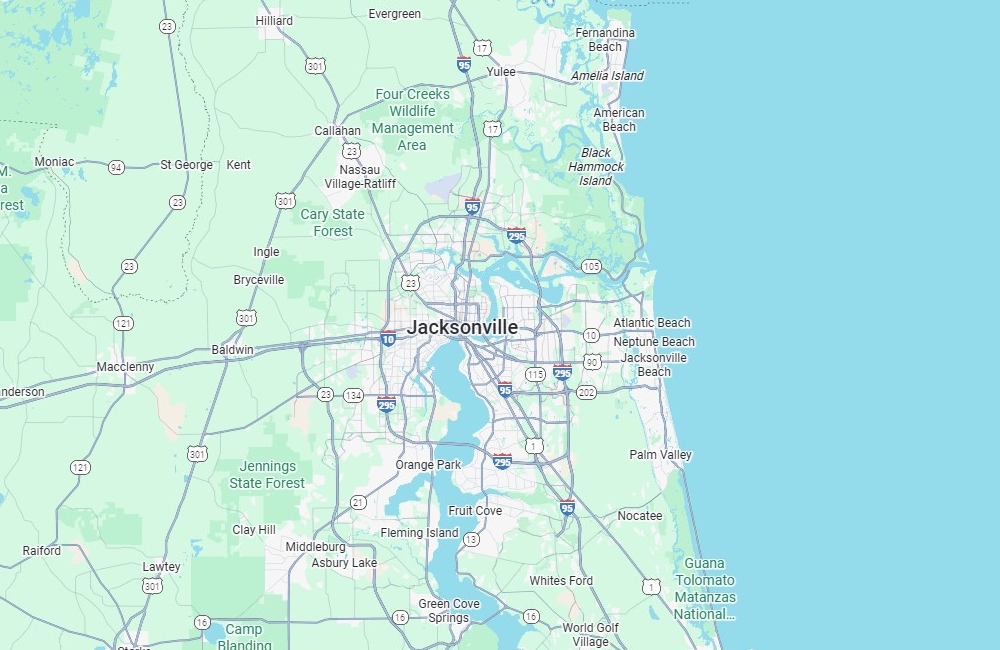
Proudly Serving Jacksonville & Surrounding Areas
We proudly provide top-tier tree services and care to homeowners and businesses throughout the First Coast. While our roots are firmly planted in the heart of Jacksonville, our reach extends to the other vibrant communities in our area. We frequently mobilize our equipment to assist our neighbors, ensuring that property owners from the banks of the St. Johns River to the coastal dunes have access to reliable arborists. Whether you are located in the historic streets of Riverside or the growing suburbs of St. Johns County, you can count on us for prompt service and a dedication to the local landscape we all share.