When Trees Need Extra Support in Jacksonville, FL: How Cabling and Bracing Save Valuable Trees
Tall oaks leaning over a driveway. A beloved magnolia with a deep V-shaped fork. Limbs stretched wide over a roof in San Marco or Riverside. In Jacksonville, FL, our trees grow fast and broad. Storms, saturated soils, and heavy canopies can push even healthy trees to their limit. That is when professional cabling and bracing can help protect your property and keep valuable trees standing.
Below, you will learn what these support systems do, the warning signs to watch for, and how a certified arborist from Durham Parkers Tree Service LLC evaluates your tree. If you think a tree might need help, call 904-769-3140 to schedule an assessment.
What Cabling and Bracing Do For Your Trees
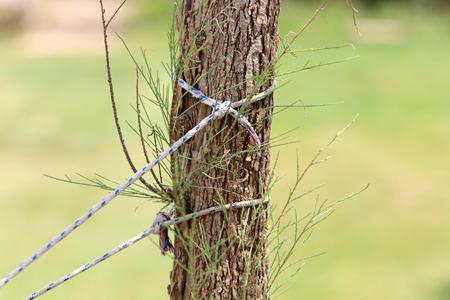
Cabling and bracing are structural supports installed by an arborist to reduce the chance of major limb or trunk failure. Cables are typically placed high in the canopy to connect critical limbs and share the load. Bracing uses steel rods through weak unions or split stems to add rigidity at the failure point. These systems do not make a tree indestructible, but they can lower risk, extend a tree's useful life, and preserve shade and character.
- Cabling helps limit excessive movement, especially where limbs compete or a canopy is unbalanced.
- Bracing reinforces weak or cracked areas so a split does not widen under stress.
- Both methods are often paired with selective pruning to relieve weight and reduce wind sail.
In many Jacksonville neighborhoods like Avondale, Ortega, and Mandarin, mature live oaks create wide, sweeping canopies. Where weight distribution is uneven, supports can protect driveways, roofs, and play areas without removing large limbs that provide shade and curb appeal.
Signs Your Tree May Need Support In Jacksonville
Schedule a professional evaluation if you notice any of the following around your home in Arlington, Springfield, Northside, or the Beaches:
- Two main trunks (co-dominant stems) with a tight V-shaped union
- Cracks, seams, or included bark where limbs meet
- Large horizontal limbs extending over a roof, pool, or parking area
- A leaning tree with disturbed or heaving soil at the base
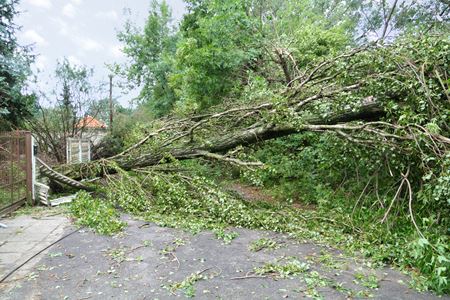
- Fresh splits after high winds or intense summer thunderstorms
These symptoms do not automatically mean removal. They do mean the tree deserves a closer look from a qualified professional who can measure risk and recommend the safest path forward.
Common Jacksonville Trees That Benefit From Support
Not every species responds the same way to structural supports. In Northeast Florida, arborists commonly consider cabling and bracing for:
- Live oak and laurel oak. Wide, heavy canopies and long lateral limbs can develop weak unions, especially where two leaders compete. Proper support can help keep hallmark shade trees stable through busy storm seasons.
- Southern magnolia. Heavy, evergreen foliage and co-dominant leaders sometimes combine to create vulnerable forks. Selective reduction with supplemental support can protect key branches.
- Pecan and other broadleaf shade trees. Fast growth and generous crops or foliage can overload branches. Support systems may reduce breakage where the structure is poor.
Every tree is unique. A certified arborist will evaluate species, structure, health, and site conditions before recommending any support system.
How Professionals Decide If Cabling Or Bracing Is Right
An ISA Certified Arborist follows a structured process to decide whether support will meaningfully reduce risk:
1) Risk and structure assessment. The arborist inspects the canopy, unions, and trunk for defects, decay, and load paths. They consider targets below the tree, such as play areas, vehicles, roofs, and sidewalks.
2) Plan selection. If supports are appropriate, the arborist chooses a configuration based on the tree's size, defect type, and movement. Dynamic cabling is often used to allow limited sway while preventing overload. Static cabling or brace rods are selected when a union is already compromised and needs stronger restriction.
3) Complementary pruning. Weight reduction through careful, selective cuts balances the canopy so the system is not overburdened. This is not topping. It is targeted pruning designed to preserve natural form and health.
4) Ongoing inspections. Any installed system requires periodic checkups. Hardware tension, limb growth, and bark changes are monitored so the system keeps doing its job as the tree grows.
Why Timing Matters Before Storm Season
In our coastal climate, summer heat, sudden downpours, and tropical systems put constant stress on canopies. Trees that already have weak unions or long, overextended limbs are more likely to fail when soils are saturated, and wind pressure increases. A support system installed before the height of storm season can reduce the chance of costly damage and give you peace of mind. If your home is in Jacksonville Beach, Neptune Beach, or Atlantic Beach, the added exposure to onshore winds makes proactive care even more important.
Equally important, supports work best when paired with proper pruning and a realistic maintenance plan. Your arborist will outline inspection intervals so you know what to expect in the years ahead.
What To Expect During A Professional Installation
The installation process is methodical and focused on tree health and safety around your property:
First, the crew sets a safe work zone and protects nearby structures and landscaping. Then they access the canopy to place cables in the right locations and angles for load-sharing. If a brace is needed, it is installed with hardware sized to the tree and defect. Afterward, the arborist performs selective pruning to reduce leverage on overextended limbs. The job ends with a safety check and notes on when to schedule your next inspection. Throughout the process, communication is key so you understand what is being installed and why.
Maintenance: Inspections Keep You Protected
Any support system should be inspected on a regular schedule and after notable wind events. An inspection looks for hardware wear, changes in bark around anchors, cable tension, and canopy growth that might change how loads move through the tree. Your arborist also confirms that earlier pruning goals are still holding and recommends light touch-ups if the weight has shifted.
Here are simple ownership principles to remember:
- Schedule annual inspections or follow the interval your arborist sets for your specific tree and site.
- Call for a checkup after strong wind events, prolonged rain, or if you notice new cracks or canopy changes.
- Keep mulch and foot traffic away from the trunk flare so roots can function, and the tree remains stable.
Safety Reminders For Homeowners
Tree support systems involve specialized tools, calculations, and safe work at height. Never drill or cable a tree on your own. Improper placement or sizing can increase the chance of failure, void equipment warranties, and create hidden hazards. It can also injure the tree by damaging live tissues or introducing moisture into the wrong areas.
Be wary of heavy, non-selective cuts. Avoid topping or aggressive thinning that strips a canopy. These practices do not reduce risk long-term and can trigger weak, fast regrowth that fails more easily. Your arborist will use targeted cuts that keep the tree strong and balanced.
How Cabling And Bracing Compare To Other Options
Sometimes a support system is the right tool. Other times, a different approach makes more sense. Your arborist may recommend:
Selective reduction pruning. This can ease strain on long or heavy limbs, lowering the need for hardware. It is often the first step, even when supports are installed.
Monitoring with maintenance. If risk is low and targets are limited, routine checkups and light pruning might be enough, especially for younger trees that are still developing structure.
Removal and replanting. If a tree has advanced decay, severe defects, or sits over irreplaceable targets, the safest choice may be to remove it and replant a better-suited species. An arborist can recommend resilient options for the Jacksonville area and help you plan for shade and storm-hardiness.
Local Considerations Across Jacksonville Neighborhoods
Conditions change block to block. Along the river in Ortega and San Marco, older oaks may have historic value and broad, low limbs that need careful support and pruning. In newer communities like Nocatee and areas of Northside or Southside, fast-growing shade trees may develop co-dominant leaders as they mature. Near the Beaches, salt-laden winds and sandy soils can stress canopies and root systems. Your plan should reflect your site, your tree species, and your priorities for shade, views, and safety.
Answers To Common Homeowner Concerns
Will supports hurt the tree? Properly installed systems are designed to work with natural movement. Hardware is sized to the tree and placed to limit tissue damage. The goal is to reduce risk while protecting health and appearance.
How long do they last? Lifespan varies with weather, growth rate, and materials. That is why routine inspections are part of every plan. Your arborist will tell you when to check tension, replace components, or adjust pruning to keep loads balanced.
Do supports guarantee a tree will never fail? No system can offer a guarantee. Supports are one part of a risk management strategy that also includes pruning, site care, and monitoring. Choosing an ISA Certified Arborist gives you the best chance to control risk and preserve what you love about your trees.
Why Homeowners Choose Durham Parkers Tree Service LLC For Cabling And Bracing
We provide our top-rated tree services for homeowners across Jacksonville, from Riverside and Avondale to Mandarin, Arlington, and the Beaches. Our team pairs advanced support techniques with careful pruning and a maintenance plan you can follow. You get clear communication, photos of your tree's structure, and a practical path to keep your landscape safe and beautiful.
If your tree is leaning, has a split, or shows signs of included bark, do not wait for the next storm. A quick assessment can make all the difference in preserving your shade and protecting your home.
Ready To Save A Valuable Tree?
Trust Durham Parkers Tree Service LLC to evaluate your tree, design the right support plan, and maintain it over time. Speak with a certified professional today at 904-769-3140. We will help you decide whether cabling and bracing can reduce risk, extend the life of your tree, and keep your property safer through Jacksonville's wind and rain.
Get A Free Quote
Our Services
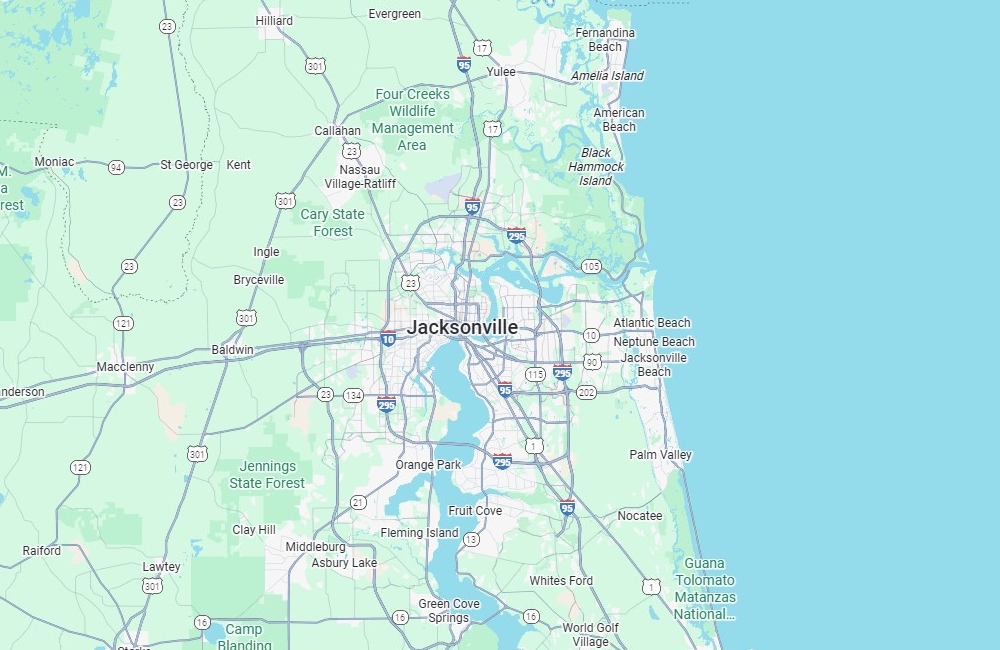
Proudly Serving Jacksonville & Surrounding Areas
We proudly provide top-tier tree services and care to homeowners and businesses throughout the First Coast. While our roots are firmly planted in the heart of Jacksonville, our reach extends to the other vibrant communities in our area. We frequently mobilize our equipment to assist our neighbors, ensuring that property owners from the banks of the St. Johns River to the coastal dunes have access to reliable arborists. Whether you are located in the historic streets of Riverside or the growing suburbs of St. Johns County, you can count on us for prompt service and a dedication to the local landscape we all share.