Why Tree Hazard Assessments Are Essential for Property Safety in Jacksonville, FL
Strong trees are an asset, but weak ones can be a real threat. Professional hazard assessments help Jacksonville, FL homeowners find hidden problems before wind, rain, and saturated soil turn them into emergencies. If you want to protect your roof, fence, and family, the most reliable first step is a thorough evaluation by a trained arborist who knows our coastal conditions.
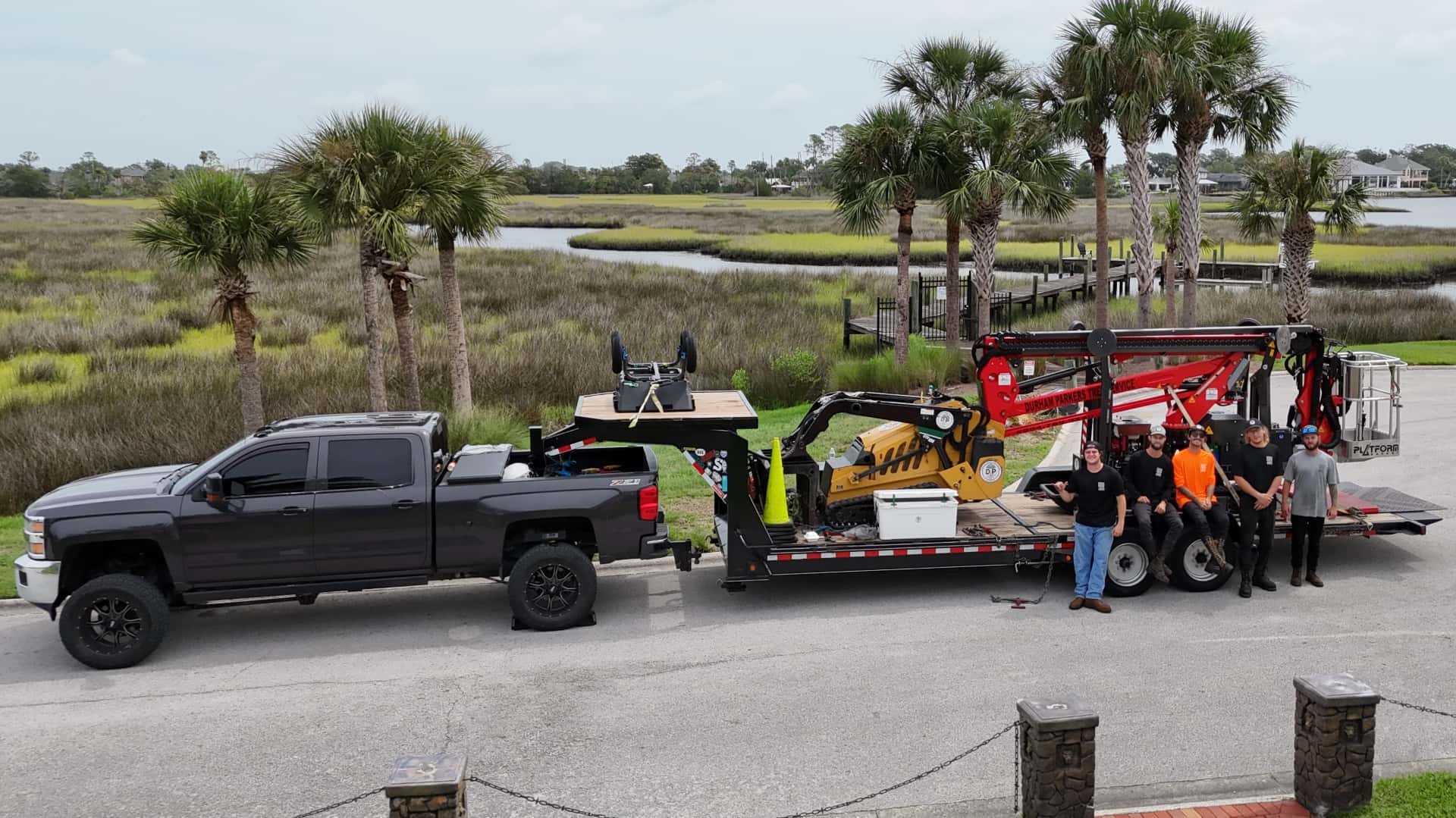
At Durham Parkers Tree Service LLC, we believe not every tree needs removal. A careful assessment can separate healthy trees from those that are unsafe. That means you keep what is strong, address what is risky, and plan smart care for the years ahead.
What a Professional Tree Hazard Assessment Covers in Jacksonville
An assessment is a structured look at your trees, the site, and nearby targets that could be hit if a failure occurs. Your arborist evaluates the tree's condition, then weighs it against wind exposure, soil, drainage, and how close the tree stands to homes, streets, or play areas.
- Tree structure: branch unions, cracks, cavities, lean, root flare, and past pruning wounds
- Tree health: signs of decay, fungi, cankers, borers, and nutrient stress
- Site factors: soil saturation, grading, irrigation, salt exposure, and wind tunnels between buildings
- Targets: rooflines, driveways, sidewalks, utility drops, and neighbor properties
When the review is complete, you get clear recommendations. Sometimes that means cabling, selective pruning, or soil care. Sometimes it means removing a high-risk tree and replanting with a better species in a safer spot.
Why Jacksonville's Weather Raises Your Risk
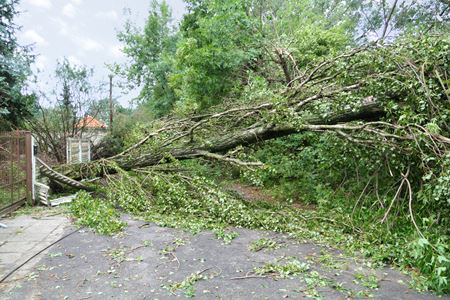
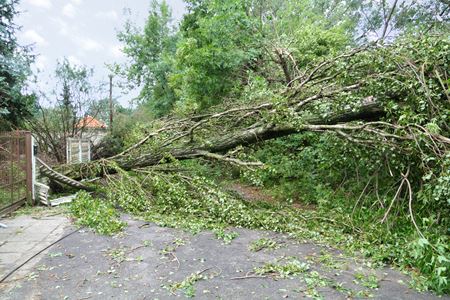
Jacksonville sits in a zone of summer thunderstorms, tropical systems, and seasonal nor'easters. Gusts funnel along open corridors like the St. Johns River and across neighborhoods such as Riverside, San Marco, Southside, Arlington, and the Beaches. High winds combined with wet ground can uproot even large trees with shallow or compromised roots.
Heavy rain pushes water into small cracks, then wind does the rest. Trees that looked stable in the dry season can shift quickly after a week of storms. **Schedule assessments before hurricane season** so you are not racing a forecast.
Common Pests and Diseases in Northeast Florida Trees
Health issues make trees easier to break. In our area, arborists often watch for fungal decay in old pruning cuts, root rot in poorly drained spots, and borers that target stressed trees. Pines and oaks react differently to pests, which is why species-specific diagnosis matters.
During your assessment, the arborist documents symptoms and likely causes. You get a plan to strengthen the tree where possible or to reduce risk if the damage is advanced.
Species Considerations: Live Oaks, Laurel Oaks, and Pines
Live oaks are naturally strong when pruned well and given room to grow. Laurel oaks can develop interior decay as they age, especially when they have been topped or thinned too much. Pines handle wind fairly well if roots are healthy, but saturated, sandy soils can still loosen their grip.
Local context matters. A healthy live oak in Mandarin is not the same as a laurel oak with trunk fungus in Arlington. Your assessment weighs the species, the site, and the tree's history, so the final advice fits your yard, not a textbook.
When to Schedule a Tree Hazard Assessment
Timing is a safety tool. Plan assessments in late spring or early summer to prepare for storm season. Book additional checks after major wind events, after construction near roots, or when you notice changes like a new lean or sudden dieback at the crown.
- Before buying or selling a home with mature trees
- After trenching, driveway work, or pool installation near root zones
- When branches overhang bedrooms, driveways, or play areas
- If mushrooms, cavities, or peeling bark appear on trunks or roots
**Never ignore a tree that leans more after a storm.** That is a sign the root plate may be shifting and needs immediate professional attention.
How Assessments Protect Your Home and Budget
Preventing a failure costs less than cleaning up after one. An assessment helps you prioritize which trees need work now and which can wait. It also gives you a record that you acted responsibly, which can be useful when coordinating with insurers or an HOA.
Good care preserves canopy value. Shade reduces energy use in summer, and healthy trees lift curb appeal. Strategic pruning and soil improvements can keep legacy trees safe and thriving for decades.
Professional Methods Your Arborist Uses
Your visit starts with a ground-level inspection. The arborist studies the trunk, root flare, and canopy structure. They may use sounding with a mallet to detect hollow areas or a probe at old wounds to gauge depth. If a defect needs closer evaluation, specialized tools can help quantify risk.
For complex cases, your arborist may recommend advanced diagnostics, drone views for inaccessible canopies, or lab tests for fungi. These tools inform better decisions without guesswork. **Serious structural issues should only be handled by trained professionals.**
Site Factors Across Jacksonville Neighborhoods
Soils and exposure change across the city. Riverside and Avondale have older trees with tight setbacks and narrow streets. San Marco and Springfield mix mature canopy with older structures. Southside and the Beaches see stronger coastal winds and salt spray, which can dry leaf edges and weaken branch tips.
Where water lingers, roots need oxygen. In pockets near low-lying creeks or the river, prolonged saturation can stress roots and set the stage for uprooting. **If your yard holds water after storms, mention it during the assessment.** That detail guides safer recommendations.
From Findings to Action: What Happens After the Visit
When the assessment is complete, you receive clear next steps. Typical plans include structural pruning to remove weight from weak unions, selective crown reduction to reduce sail in wind, and soil care to improve rooting. In some cases, installing a cable or brace in a multi-stem tree can reduce the chance of split failure.
Removal remains a last resort. Our approach is simple: protect people and property while preserving healthy trees whenever possible. **If a tree must come down, your arborist will explain why and discuss safer replanting options.**
Documentation That Helps With Insurance and HOAs
Good records matter. A written assessment with photos captures defects, targets, and recommendations. That file helps you discuss coverage with insurers after a storm and speeds up approvals with an HOA or property manager when work is needed.
Professional documentation shows due diligence. It also becomes a maintenance roadmap so future pruning happens on schedule.
Why Local Expertise Matters in Jacksonville, FL
Local arborists understand how nor'easters hit open lots, how sandy soils drain, and how different oaks behave under wind load. They have experience with common pests and decay patterns in our area. That context leads to safer, more practical advice for homes from Mandarin to Arlington and from Neptune Beach to Atlantic Beach.
When you work with Durham Parkers Tree Service LLC, you speak with a team that knows neighborhood canopy patterns and the weather that shapes them. We provide clear recommendations and schedule work at times that suit your family and our climate.
Planning Ahead Starts at Home
Your landscape changes with age and weather. A small crack today can become a large one after a wet month and two wind events. Set a recurring calendar reminder for a checkup so minor issues are caught early instead of during a midnight thunderstorm.
For a broad overview of best practices, start at our home page and learn more about tree hazard assessments in Jacksonville, FL. You will find how assessments lead to pruning, soil care, or strategic replanting that keeps your property resilient all year.
How We Communicate Results and Next Steps
Clear communication builds trust. We explain what we found, why it matters, and the safest path forward. If we recommend pruning, we point to the defect it solves. If we suggest removal, we show the structural risk and discuss replacement species that fit your site.
Expect a written plan that prioritizes safety first, then health, then aesthetics. That way, you can take care of the most important items right away and schedule the rest as time allows.
Choosing the Right Partner
Select an insured, well-reviewed tree service in Jacksonville that performs assessments every week in our area. Ask how they evaluate root issues, how they document defects, and how they prioritize work around homes, driveways, and power drops. A team that takes time to educate you will usually take time to protect your yard.
Durham Parkers Tree Service LLC is ready to help you make confident decisions. We provide professional tree health evaluations to identify disease, decay, or structural weakness so you can protect your property and preserve healthy trees.
Ready to Protect Your Property?
Book a professional review before the next storm cycle. Our team will inspect your canopy, explain the findings in plain language, and build a plan you can act on. Get started with our detailed tree risk assessment, or call us at 904-769-3140 to schedule your visit today.
Get A Free Quote
Our Services
Proudly Serving Jacksonville & Surrounding Areas
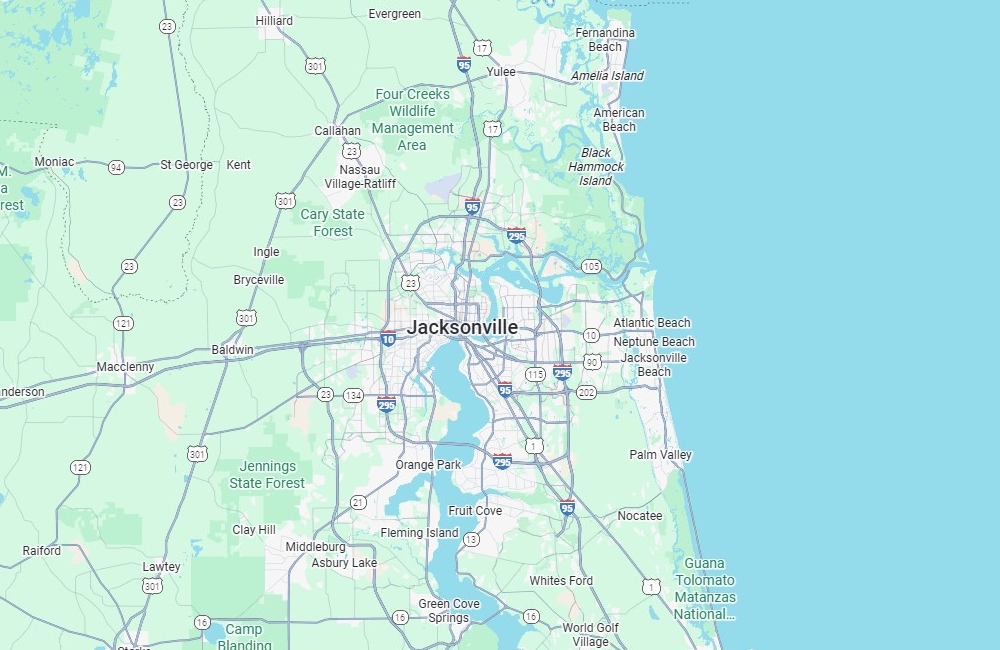
We proudly provide top-tier tree services and care to homeowners and businesses throughout the First Coast. While our roots are firmly planted in the heart of Jacksonville, our reach extends to the other vibrant communities in our area. We frequently mobilize our equipment to assist our neighbors, ensuring that property owners from the banks of the St. Johns River to the coastal dunes have access to reliable arborists. Whether you are located in the historic streets of Riverside or the growing suburbs of St. Johns County, you can count on us for prompt service and a dedication to the local landscape we all share.